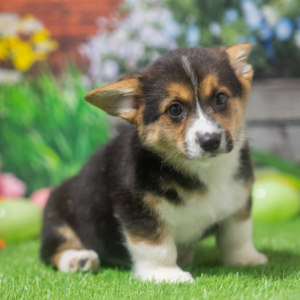
Puppy Training Basics – BrookePuppy: Essential Guide for First-Time Dog Owners
Puppy Training Basics – BrookePuppy provides a structured foundation for raising a well-behaved and socially adjusted dog. In the United States, early training plays a critical role in preventing behavioral issues and supporting long-term harmony between dogs and owners. Therefore, consistent routines, clear communication, and patience are essential from the first days at home.
Puppy Training Basics – BrookePuppy emphasizes consistency, positive reinforcement, and early socialization for lasting behavioral success.
Understanding Puppy Training Basics – BrookePuppy principles
Puppy Training Basics – BrookePuppy begins with understanding how puppies learn. Dogs respond to repetition, timing, and clear signals. As a result, training should focus on rewarding desired behaviors rather than punishing mistakes.
In addition, short and frequent sessions are more effective than long, inconsistent ones. Puppies have limited attention spans, so keeping training engaging improves retention.
- Use consistent commands and tone
- Reward positive behavior immediately
- Keep sessions short and structured
- Avoid mixed signals or inconsistent rules
For general care guidance, visit dog care basics.
House training and routine development
House training is a core part of Puppy Training Basics – BrookePuppy. Establishing routines helps puppies understand where and when to relieve themselves.
Key house training strategies
Consistency and observation are critical. Puppies need frequent opportunities to go outside, especially after meals and naps.
- Take puppies out at regular intervals
- Use the same designated area
- Reward successful behavior immediately
- Maintain a predictable feeding schedule
Understanding breed tendencies can also help. Explore dog breeds guide.
Puppy Training Basics – BrookePuppy and socialization
Socialization is a critical stage in Puppy Training Basics – BrookePuppy. Early exposure to people, environments, and other animals helps puppies develop confidence and adaptability.
However, exposure should be gradual and controlled. Overwhelming experiences may lead to fear or anxiety.
- Introduce new environments slowly
- Allow safe interaction with other dogs
- Expose puppies to everyday sounds
- Encourage positive human interactions
Adoption preparation can influence training outcomes. Learn more at dog adoption resources.
Training methods comparison: positive vs inconsistent approaches
Different training approaches produce different results. The table below compares structured positive reinforcement with inconsistent methods.
| Training Approach | Positive Reinforcement | Inconsistent Training |
|---|---|---|
| Learning Speed | Faster | Slower |
| Behavior Stability | High | Unpredictable |
| Stress Levels | Lower | Higher |
| Owner-Pet Relationship | Stronger | Weaker |
This comparison highlights the importance of structured and consistent training practices.
Common behavioral challenges in puppies
Puppy Training Basics – BrookePuppy acknowledges that behavioral challenges are normal during early development. Addressing them early helps prevent long-term issues.
- Chewing on furniture or objects
- Excessive barking
- Jumping on people
- Separation anxiety
These behaviors often result from lack of structure or stimulation. Therefore, consistent routines and mental engagement are essential.
Puppy Training Basics – BrookePuppy highlights that patience and consistency are key when managing early behavioral challenges.
Time commitment and long-term training responsibility
Training is not a one-time effort. Puppy Training Basics – BrookePuppy emphasizes ongoing reinforcement throughout a dog’s life. Puppies require daily engagement, structured learning, and gradual progression.
- Daily training sessions (5–15 minutes)
- Ongoing socialization opportunities
- Regular reinforcement of learned behaviors
- Adaptation as the dog matures
Consistency over time leads to more reliable behavior and stronger bonds.
| Training Stage | Focus Area |
|---|---|
| Early Puppy | House training and basic commands |
| Adolescent | Behavior reinforcement and socialization |
| Adult | Maintenance and advanced skills |
Responsible training practices in the United States
Puppy Training Basics – BrookePuppy aligns with responsible ownership standards in the United States. Training should always prioritize safety, welfare, and positive engagement.
Best practices include:
- Using humane and reward-based techniques
- Respecting local leash and control laws
- Ensuring safe interactions in public spaces
- Committing to long-term behavioral development
These practices contribute to a safer environment for both dogs and the community.
Conclusion: building a strong training foundation
Puppy Training Basics – BrookePuppy provides a clear path for developing well-behaved and confident dogs. By focusing on consistency, socialization, and positive reinforcement, owners can build strong relationships with their pets.
Ultimately, training is an ongoing responsibility that evolves over time. With patience and structured effort, puppies can grow into balanced and adaptable companions.
Sources & References
- American Veterinary Medical Association – Animal behavior guidance
- ASPCA – Puppy training and behavior resources
- American Kennel Club – Training and obedience guidelines
- CDC Healthy Pets – Safe pet ownership practices
Available in Our Showroom
-
Pembroke Welsh Corgi Puppy
Edmund
Original price was: $1,100.00.$1,095.00Current price is: $1,095.00. -
Soft Coated Wheaten Terrier Puppy
Haven
Original price was: $495.00.$490.00Current price is: $490.00. -
Mini Goldendoodle (F1B) Puppy
Mackenzie
Original price was: $350.00.$345.00Current price is: $345.00.